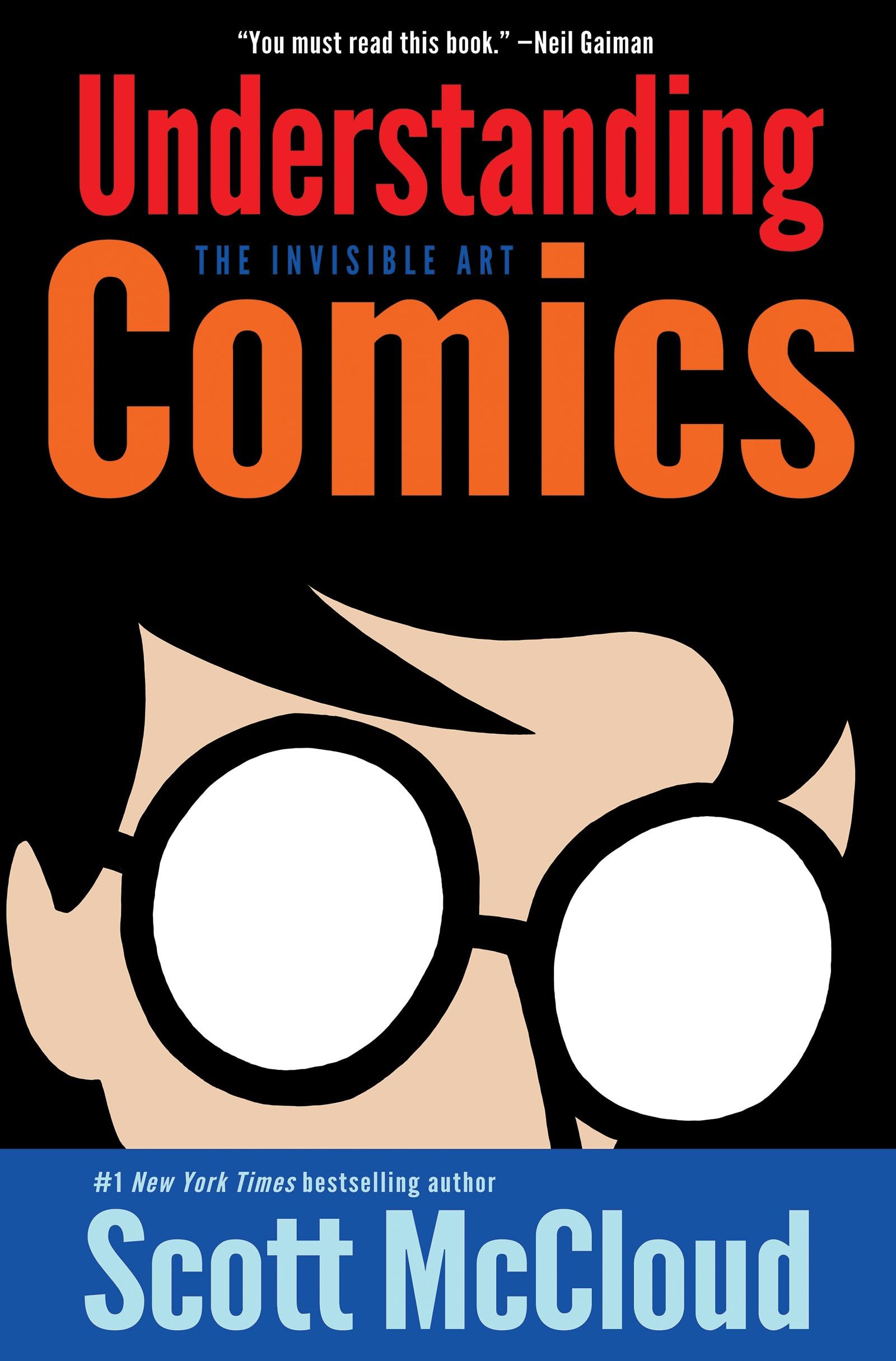
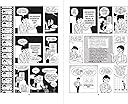


Understanding Comics: The Invisible Art [McCloud, Scott] on desertcart.com. *FREE* shipping on qualifying offers. Understanding Comics: The Invisible Art Review: One of the best books I ever read - This is an incredibly insightful and broad analysis of a medium that, beforehand, I didn't really care about or even take seriously... I'd say this is archetypal of one of the best experiences in life; when through another's eyes you come to appreciate something that you had previously dismissed as 'not for me'. I read this as a teenager and recently bought a copy for my 9-yr-old daughter who is super keen on both reading and making comics of her own (sorry, my apologies... "they're graphic novels dad!!"). It is advanced material for her age, but she finds it fascinating and eye-opening nonetheless. I suspect she will read it multiple times as she ages and evolves her art. Review: Great for teaching! - I purchased this item, along with McCloud's other book Making Comics, to teach a course on comics in English to art students at Cheongju University in South Korea. Both of these books really lend themselves to teaching, each one is divided into chapters which discuss specific comic concepts and elements. Two excellent chapters: The first chapter in Understanding Comics is great because it discusses the history of comics, and some great activities can be done having students think about and search for comics in the real world and instances of comics in history. This chapter really validates the fact that comics are interesting and useful, rather than just being treated as a 'fake' art or a 'not really real' subject. Chapter three is excellent because it breaks down transitions not only in American comics, but European and Asian comics as well, and explains his thoughts as to why these differences exist. This allows students to compare the differences and broaden their understanding of how different cultures think differently. This chapter also discusses how comics are subtractive, and lends itself to an excellent lesson whereupon students can draw comics with many pictures, then keep subtracting and combining pictures until they have the miminum number of pictures that tells the gist of their story. In other chapters: Chapter two discusses word choice and flow in comics, four discusses time, chapter five discusses displaying emotion by using different types of lines (and similarities and differences between comics from different cultures), chapter six discusses how words and ideas complement each other in comics, and chapter seven discusses six steps to making comics. In my opinion, each book is worth its weight in gold alone for a comic class, but they have a synergistic effect when used in tandem with each other. Concepts from one book flow into the other book, and vice-versa, giving the students in-depth knowledge of both how to make comics and how to understand comics from other authors better. All of the concepts from the chapters can be seen easily in comics online or from newspapers, and so each week I first do the lecture, then use a few examples on the overhead that I have found from other comics, then give the students homework pertaining to the concepts discussed. Through use of the two books, the students' work is really improving, and it is fun to see them working specifically with each comic element. Each of the concepts discussed in the chapters is a great starting point to get the students' creative juices flowing. I would recommend this book to any teacher or lecturer interested teaching comics at almost any level and to any audience.
| Best Sellers Rank | #2,644 in Books ( See Top 100 in Books ) #1 in Comic & Graphic Novel Literary Criticism #1 in How to Create Comics #1 in Comics & Graphic Novel History & Prices |
| Customer Reviews | 4.8 4.8 out of 5 stars (3,031) |
| Dimensions | 10.1 x 6.6 x 0.6 inches |
| Edition | Reprint |
| ISBN-10 | 006097625X |
| ISBN-13 | 978-0060976255 |
| Item Weight | 10.4 ounces |
| Language | English |
| Print length | 224 pages |
| Publication date | April 27, 1994 |
| Publisher | William Morrow Paperbacks |
| Reading age | 13 - 17 years |
I**D
One of the best books I ever read
This is an incredibly insightful and broad analysis of a medium that, beforehand, I didn't really care about or even take seriously... I'd say this is archetypal of one of the best experiences in life; when through another's eyes you come to appreciate something that you had previously dismissed as 'not for me'. I read this as a teenager and recently bought a copy for my 9-yr-old daughter who is super keen on both reading and making comics of her own (sorry, my apologies... "they're graphic novels dad!!"). It is advanced material for her age, but she finds it fascinating and eye-opening nonetheless. I suspect she will read it multiple times as she ages and evolves her art.
P**L
Great for teaching!
I purchased this item, along with McCloud's other book Making Comics, to teach a course on comics in English to art students at Cheongju University in South Korea. Both of these books really lend themselves to teaching, each one is divided into chapters which discuss specific comic concepts and elements. Two excellent chapters: The first chapter in Understanding Comics is great because it discusses the history of comics, and some great activities can be done having students think about and search for comics in the real world and instances of comics in history. This chapter really validates the fact that comics are interesting and useful, rather than just being treated as a 'fake' art or a 'not really real' subject. Chapter three is excellent because it breaks down transitions not only in American comics, but European and Asian comics as well, and explains his thoughts as to why these differences exist. This allows students to compare the differences and broaden their understanding of how different cultures think differently. This chapter also discusses how comics are subtractive, and lends itself to an excellent lesson whereupon students can draw comics with many pictures, then keep subtracting and combining pictures until they have the miminum number of pictures that tells the gist of their story. In other chapters: Chapter two discusses word choice and flow in comics, four discusses time, chapter five discusses displaying emotion by using different types of lines (and similarities and differences between comics from different cultures), chapter six discusses how words and ideas complement each other in comics, and chapter seven discusses six steps to making comics. In my opinion, each book is worth its weight in gold alone for a comic class, but they have a synergistic effect when used in tandem with each other. Concepts from one book flow into the other book, and vice-versa, giving the students in-depth knowledge of both how to make comics and how to understand comics from other authors better. All of the concepts from the chapters can be seen easily in comics online or from newspapers, and so each week I first do the lecture, then use a few examples on the overhead that I have found from other comics, then give the students homework pertaining to the concepts discussed. Through use of the two books, the students' work is really improving, and it is fun to see them working specifically with each comic element. Each of the concepts discussed in the chapters is a great starting point to get the students' creative juices flowing. I would recommend this book to any teacher or lecturer interested teaching comics at almost any level and to any audience.
D**A
A lot of good content
It really makes you appreciate comics and give them the respect they deserve. McCloud is funny and a good teacher.
L**H
Quoting Neil Gaiman from the back cover "... you must read this book"
Scott McCloud is doing something phenomenal in this book. Not only providing a guide to the sequential imagery of story telling that is comics, he does do with a mastery of the craft. I did not grow up with comics being ubiquitous, there were no comic book stores where I lived (I'm not originally from the US, came here as an adult) - however I did like reading comic books in my childhood and youth. The medium always fascinated me. As and adult, now living in the US, access has become much easier, the range of what's available is staggering. This book can not only helped me understand the medium even better, it helped me create a deeper emotional bond with it. It also provides as a guide of sorts of prominent works, authors and artists that are worth checking out. It has been published in 1993, but the points made and the content still holds up. If you always thought comics was "just for kids", give this book a chance - it will not only change your mind - it will reveal the wonderful world you missed, and guide you through it. If you always liked comics, but wanted to learn about it's evolution and history - this book will be a joyous ride that you'll want to revisit multiple times in the future. If you wanted to understand what makes this medium different, what are it's strength, what are the struggles facing the world of comics (and it's industry) definitely read this. I can't think of anyone who will not find this book fascinating. When you're done, I highly recommend his next book, from 2000, Reinventing Comics.
O**R
Useful
I was required to read this book for multiple comic courses. Yes, this book is useful, especially for those with a limited understanding of comics. The advice on flow, pacing, etc is invaluable. However, because comics are such a complex medium, this book is not the all-or-nothing guide it pretends to be and can even come off as pretentious at times. If you'd like to truly understand comics, observe the comics that you read rather than relying solely on this book.
J**N
Great!
Great, informative, engaging read. I highly recommend it to anyone who likes enjoys learning about art history and theory
O**A
Scott's comic tutorial series is a classic and must be recommended to those around me interested in comics and animation. Really a lot of the rules and tutorials can be applied to storyboarding or just general art techniques.
J**K
This is a brilliant book about comics, storytelling and graphic design. Scott McCloud packs a huge amount of information about art, history, comic design and the different ways people communicate in words and pictures into this highly accessible book. Like comics themselves, there are hidden depths here, because beneath the immediacy of the presentation are some deep, serious ideas about the development of language, art and communication. The book is superbly done; clever, witty, thought-provoking and really informative. You will never read a comic or graphic novel in the same way again, and you will almost certainly appreciate the art form more than you did. The whole book is engrossing and educational, but chapters 3 and 4, on how we interpret the space between the panels in comics, and how time and space is represented in pictures, show McCloud's genius for conveying complex ideas with real power and clarity.
S**F
Les trois livres de Scott McCloud sont généralement recommandés par les enseignants aux USA, ce n'est pas pour rien. J'en possede deux, et je ne me lasse jamais de les relire, lorsque je travaille mes compétences de design ou composition d'image (pour webmastering), ou quand je cale sur une création. Le livre est en anglais, mais les références culturelles ne sont pas toutes, loin s'en faut, américaines. Quand on aime la BD, c'est aussi un plaisir de voir tant de secrets révélés - je ne savais pas qu'il pouvait y en avoir autant, d'ailleurs.
C**N
Piacevole ed istruttivo!
I**A
Fue un regalo, asi que le doy 4 estrellas porque no he tenido quejas
Trustpilot
2 weeks ago
2 weeks ago